

31 Dec 2026

Varonis is pulling the plug on on-prem. ProLion isn’t.

Learn how to keep your data →
Insider risk
Industries
Healthcare

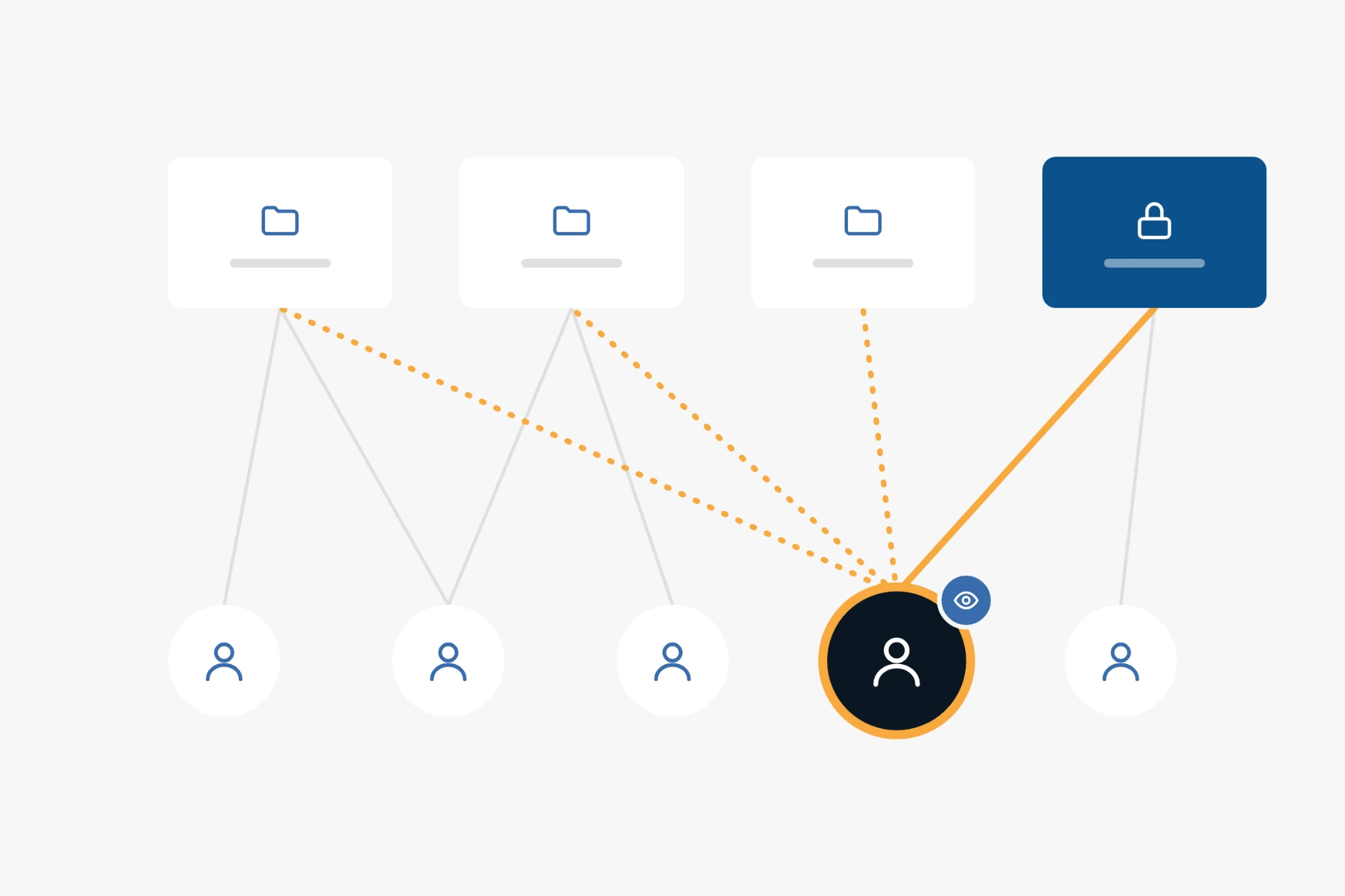
Access granted is not access used.

The gap between the two is where the risk lives — and without a file-level record it is invisible, because nothing was broken into and nothing raised an alarm.

Splunk
Microsoft Sentinel
Elastic
IBM QRadar

Syslog CEF and REST, into the tool you already run

Most of it is not malice.

The bigger share is the permission nobody removed and the copy somebody made for a good reason. Both look like ordinary work — which is exactly why they are found late, if at all.

$19.5M
average annual cost of insider risk per organization.
67 days
average time to contain an insider incident.
13 %
of incidents are contained inside thirty days.

Industry figures, not ProLion measurements. Source: Ponemon Institute and DTEX, Cost of Insider Risks 2026, reporting 2025 data.

What it takes to see it.

What they can reach
Effective permissions per file, through every nested group — including the membership that stayed after the role changed.
What they actually opened
Every read, write, rename and delete with user, path and timestamp. The gap between the two is the finding.
Activity zones
What normal looks like for this account, learned rather than configured. A deviation surfaces instead of being averaged away.
Quarantine, not lockout
A suspicious account is restricted to its usual area while you look — reversible, and on record.
The leaver problem
Mass downloads in a notice period look like work until you compare them with the previous eleven months.
Four-eyes principle
Activity on a named person becomes visible only after two authorized people sign in — works council and IT, for example.

Let’s solve your data challenges.

Connect with our engineers to find the right approach for your infrastructure.

The month before the resignation.

No break-in, no malware, no alert. One account doing more of what it is allowed to do.

Without

It is found when the customer list turns up elsewhere.

  1. Week 1An account in its notice period opens the shared drive it has always had access to.
  2. Week 2–3It copies four years of proposals and the customer list, a few folders an evening.
  3. Week 4The account is deprovisioned. Nothing in the logs says what it read.
  4. Month 6A competitor arrives at a tender with your numbers.

Outcome

A suspicion you cannot evidence, a legal case that needs the record you never kept, and no way to say what left.

With ProLion

The pattern breaks on the second evening.

  1. Week 1The same access. It is normal, and it stays normal.
  2. Week 2The volume goes far outside this account’s baseline. The activity zone flags it.
  3. Same eveningThe account is restricted to its usual area while someone looks.
  4. ReviewThe record names every file it opened, with time and path.

Outcome

A conversation on the second evening instead of a discovery six months later — and a record either way.

A scenario, not a case study. The behavior pattern is the common one.

Access reviews describe the plan, not the practice.

A review says who should have access. It does not say who used it, how much, or when that changed. Both halves are needed: the right that exists, and the use that was made of it.

Granted
Who can reach it
Effective permissions, resolved through every nested group
Used
Who actually opened it
The file-level record, kept as long as you need it
Changed
Who changed the right, and when
Real-time permission audit log, with the before and after
Acted
What was done about it
Quarantine and blocking, each one audited itself

Talk to an engineer who knows your data.

Four fields, and somebody who knows ONTAP, PowerScale and what FPolicy does. Not a qualification call.

Four fields. No hidden newsletter.

Thank you! Your submission has been received!
Oops! Something went wrong while submitting the form.