


Today’s enterprises have become prime targets for sophisticated threat actors, even affecting heavyweights like Starbucks, AT&T, Change Healthcare, Snowflake, and Toyota. The question isn’t whether your enterprise will face an attack. It’s whether your security strategy is comprehensive enough to prevent, detect, and rapidly recover from inevitable attempts.
Keep reading to learn more about enterprise cybersecurity solutions and how you can build an effective defense strategy.
What Is Enterprise Cybersecurity?
Enterprise security involves protecting an organization’s digital assets, systems, and networks against unauthorized access, data theft, and cyberattacks.
It encompasses technologies, practices, and people. Everything from endpoint protection to network monitoring, identity management, and data security come together to create a comprehensive defense framework.
Why Is Cybersecurity Essential for the Enterprise?
You might be wondering, don’t large enterprises have solid cybersecurity already? Surprisingly, no—not necessarily.
Some of the biggest attacks have affected the world’s most successful brands. Despite investing millions in cybersecurity, these industry giants still fell victim to sophisticated attacks, proving that no organization is too large or too secure to be breached.
Cybersecurity for the enterprise is critical for several key reasons:
- High-Value Targets: 67% of enterprises with over $5 billion in revenue were hit by ransomware in the last year. Large organizations present attractive targets due to their valuable data assets and greater ability to pay significant ransoms.
- Substantial Financial Impact: The average data breach costs over $4.88 million in direct expenses. For enterprises, these costs scale dramatically with more complex environments and larger volumes of sensitive data.
- Operational Continuity at Risk: Enterprise organizations typically maintain complex, interconnected systems where a single breach can cascade across critical business functions, halting operations and affecting customers, partners, and supply chains simultaneously.
- Regulatory Compliance Challenges: Enterprises face stricter regulatory scrutiny and potential penalties, with regulations like GDPR, CCPA, and industry-specific requirements imposing significant obligations for data protection.
- Reputational Stakes: For established enterprises, the reputational damage from a major breach can erode market share, investor confidence, and customer trust built over decades within a matter of days.
Types of Enterprise Security Solutions
Modern defense strategies require coordinated solutions that work together to prevent, detect, and respond to attacks at every level of the organization’s infrastructure. Let’s examine the key components of a comprehensive enterprise security framework and how they complement each other to provide robust protection.
SIEM Solutions: The Central Nervous System
Security Information and Event Management (SIEM) solutions function as the command center for enterprise security operations, collecting and analyzing data from across the organization’s technology ecosystem. These platforms connect events from different systems to identify potential threats that might otherwise remain hidden in the noise of daily operations.
Traditional Endpoint Protection: Necessary But Not Sufficient
Endpoint security solutions protect individual devices connected to corporate networks, from employee laptops to servers and mobile devices.
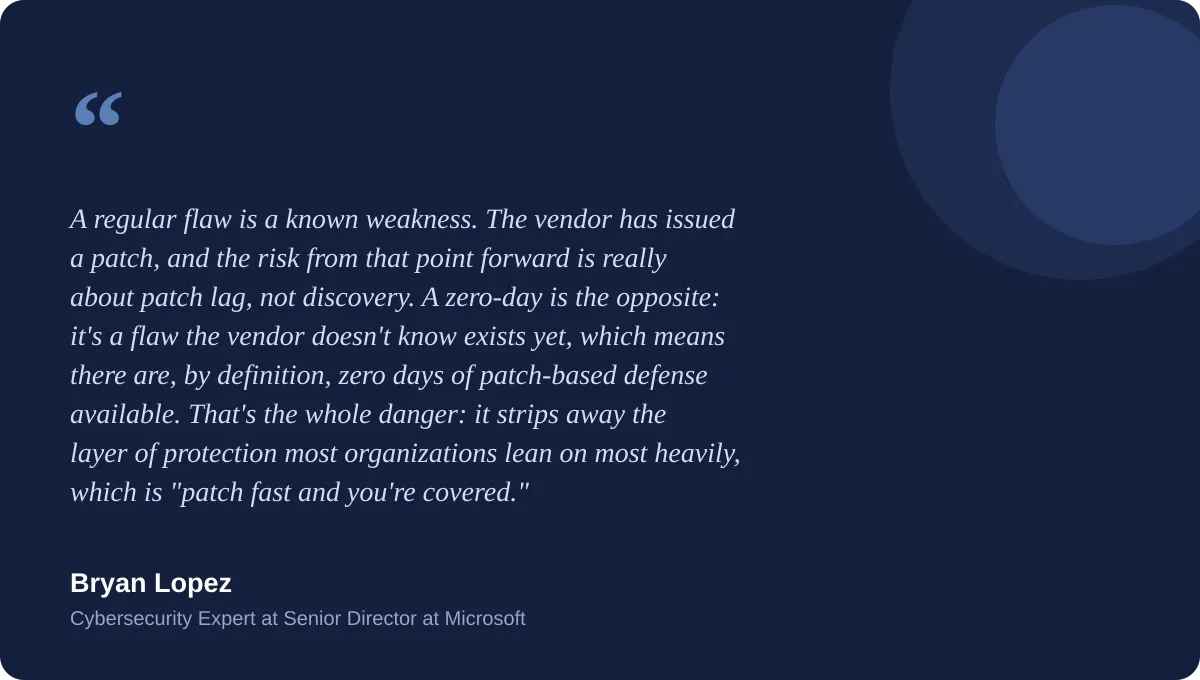
While these tools are essential for blocking known malware and common attack methods, they struggle against advanced threats. Sophisticated attackers regularly bypass endpoint defenses through zero-day vulnerabilities, social engineering, or by targeting unpatched systems.
Identity and Access Management: Controlling the Digital Gates
Identity and Access Management (IAM) systems govern who can access specific resources and under what conditions.
ProLion provides granular file-level monitoring of exactly who accesses data, when, and what changes they make. This level of data access transparency is crucial for fulfilling compliance requirements and detecting unusual access patterns that might indicate compromised credentials or insider threats.
Storage-Level Protection: The Last Critical Defense
Storage-level security is the final barrier protecting an organization’s most valuable asset—its data.
ProLion DataDefense delivers proactive protection directly at the storage level, continuously monitoring for behavioral indicators of ransomware and other threats. If the system detects suspicious activity, it automatically blocks the threat and informs admins.
And in the unlikely event an attacker does get through, you can restore the affected files with a single click, dramatically reducing recovery time.
Best Practices for Selecting Enterprise Cybersecurity Solutions
There is no silver bullet in enterprise cybersecurity. Organizations need solutions that work together to create a defense framework that is:
- Proactive: Today’s threat landscape moves too quickly for reactive approaches. Enterprise security must anticipate attacks through constant threat monitoring and behavioral analysis
- Automated: The volume and sophistication of attacks have outpaced human response capabilities. Modern security solutions must leverage automation to automatically detect a breach and implement countermeasures in real time.
- Comprehensive: Protection must extend across the entire technology stack—from endpoints and networks to applications and storage systems. For example, ProLion DataDefense integrates with SIEM solutions to ensure visibility across the security ecosystem while providing specialized storage protection.
- Multi-Layered: Defense in depth remains the gold standard for enterprise security. Storage-level protection represents a crucial final layer that many organizations overlook, leaving their most valuable data vulnerable to determined attackers.
Don’t Leave Your Enterprise Data Vulnerable
No organization is immune to a breach, regardless of size or industry. Don’t wait for a security incident to discover gaps in your defense strategy.
By implementing comprehensive, multi-layered protection that extends to your storage systems, you can significantly improve your cybersecurity posture and ensure business continuity.
Next steps:
- Take the cyber resilience assessment to identify risks and vulnerabilities now
- Watch an on-demand demo of ProLion DataDefense
- Grab a free copy of our whitepaper on advanced cybersecurity strategies