




When hackers steal corporate data, the damage doesn’t end with the initial breach. Data exfiltration creates long-term risks as stolen credentials and sensitive data often end up on dark web sites and forums. Let’s explore how data exfiltration works, the risks and consequences, and essential strategies to prevent this growing threat.
What Is Data Exfiltration?
Data exfiltration is essentially the act of stealing data. It’s the unauthorized transfer of sensitive data from an organization’s network to an external destination. Unlike accidental data leaks, exfiltration is deliberate theft, often by a hacker using malware or by exploiting weak security controls.
Data Exfiltration: Risks and Consequences
Attackers target various types of data, from employee credentials and customer information to intellectual property and financial records. This creates a permanent security risk, as the same stolen data can be used in multiple attacks months or even years after the initial breach, often catching organizations unprepared.
But the consequences of data exfiltration go beyond security risks.
When customer and employee personal data is exposed, organizations are required to provide identity theft protection and credit monitoring services to affected individuals, who may become victims of identity fraud or financial crimes.
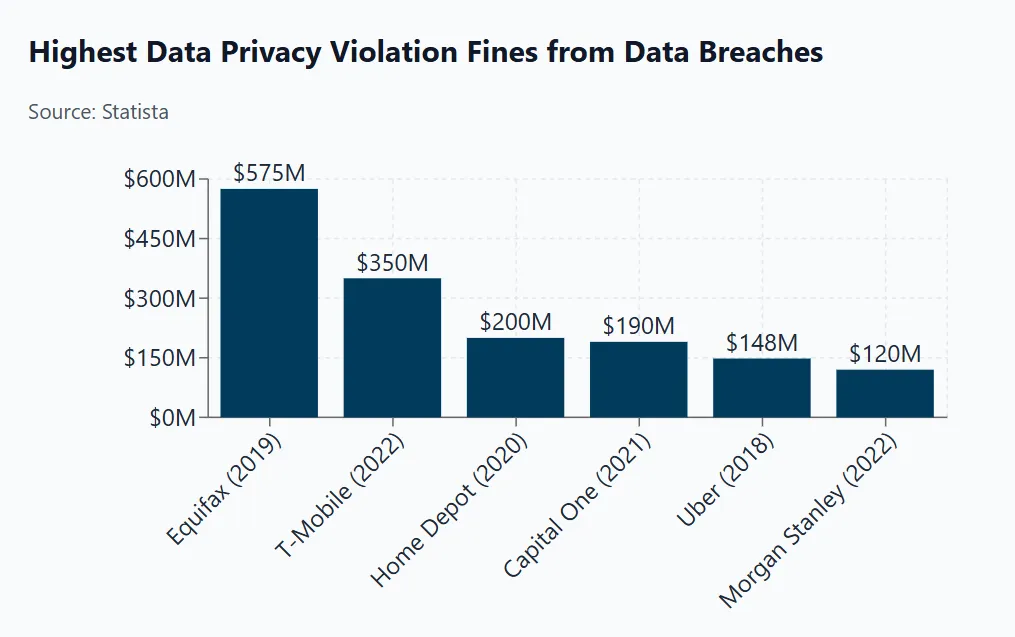
Organizations also face severe penalties, from regulatory fines to potential lawsuits. Here’s an overview of the highest fines incurred as a result of a data breach, according to Statista:
Ransomware Attacks and Data Exfiltration
These days, 91% of ransomware attacks include data exfiltration. Traditional ransomware focused primarily on encrypting files and demanding payment for their release. Now, cybercriminals prioritize stealing the data itself, knowing its long-term value.
Examples of Ransomware Attacks with Data Exfiltration
Let’s take a look at some well-known ransomware attacks where hackers stole critical and sensitive data.
Change Healthcare (UnitedHealth)
In February 2024, an $872 million ransomware attack hit Change Healthcare, resulting in the largest medical records heist in U.S. history. Over 100 million Americans had their private health information stolen, including sensitive details like medical diagnoses, treatment plans, Social Security numbers, and financial data.
The organization paid a $22 million ransom, but the criminals didn’t return the data. Instead, the ransomware gang’s leaders disappeared with the money and their former partners formed a new group that leaked some of the stolen data and extorted a second ransom.
Despite multiple ransom payments, there’s no evidence the criminals deleted the stolen data. That’s why paying the ransom isn’t a solution.
Marriott Hotels
Marriott faced three major data breaches between 2014 and 2020, affecting over 300 million customers worldwide. The most severe breach went undetected for four years, exposing 339 million guest records. The attacks compromised extensive personal data including names, addresses, passport numbers, and credit card details.
In 2024, Marriott agreed to pay $52 million in settlements and commit to strengthening its data security practices.
How to Prevent Data Exfiltration
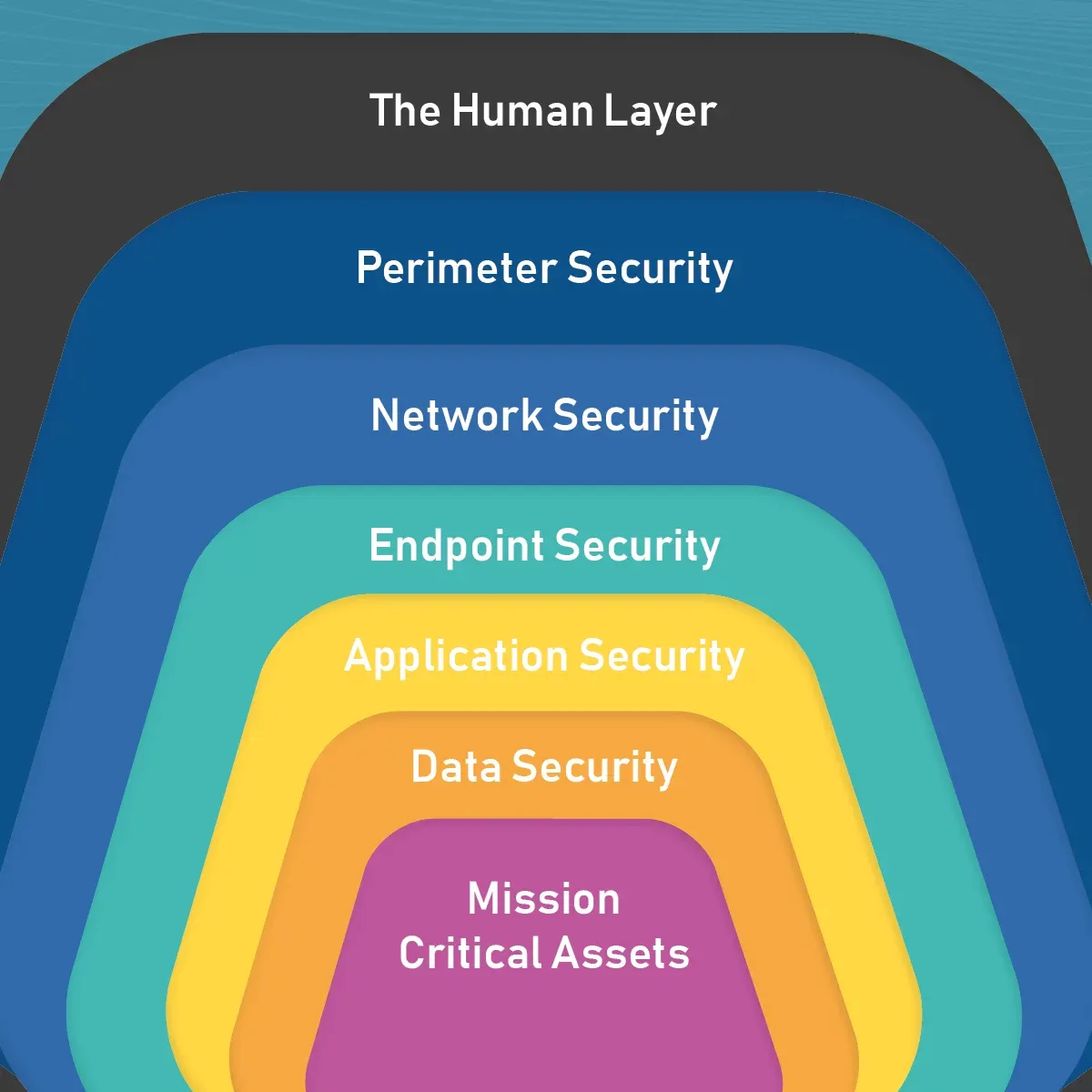
To avoid ending up like the cautionary tales above, you need a comprehensive security strategy. Preventing data exfiltration requires a defense-in-depth approach, which implements multiple layers of protection around your organization’s data.
The first layer typically starts with human security, including employee training and awareness to prevent phishing and social engineering attacks. This is followed by perimeter security using firewalls and intrusion prevention systems, network security with proper segmentation, endpoint security with antivirus solutions, and application security through regular patching and updates.
However, these traditional security layers, while essential, aren’t enough on their own. Sophisticated attackers can often find ways to bypass them, such as through zero-day exploits or stolen credentials.
This is why storage security— protecting data at its source— is crucial. Your storage systems contain all your organization’s critical data, making them the ultimate target for cybercriminals. Even if attackers manage to breach other security layers, robust storage-level protection can still prevent unauthorized data access and exfiltration.
That’s what ProLion DataDefense does. It protects your files at the storage level, continuously monitoring file access patterns, blocking suspicious activities in real time, and ensuring that even if other security measures fail, your critical data remains protected.
Are Antivirus and Malware Solutions Enough to Protect Your Data?
Traditional security tools like antivirus, anti-malware, and Endpoint Detection and Response (EDR) solutions detect and block known threats at the device level. While this is useful, even the most sophisticated EDR solution can’t protect your data if an attacker is already inside your network, running malicious code and stealing your data.
Effective data protection requires multiple security layers, with special attention to where your data is stored.
Without proper storage security, attackers who breach your perimeter defenses can move freely through your systems, accessing and extracting sensitive data at will. Storage-level protection serves as your last line of defense, protecting your data even when other security measures fail.
Stop Data Exfiltration at the Storage Layer
DataDefense offers powerful ransomware protection at the storage level, continuously monitoring all file access transactions across your data center’s storage systems. It uses advanced algorithms to detect known ransomware strains and employs behavioral analysis to identify suspicious users. Then, it automatically blocks unauthorized access and ransomware attacks in real time, protecting your data 24/7.
Beyond ransomware protection, DataDefense offers comprehensive data access transparency, helping you track who’s accessing what data and when, essential for identifying potential insider threats or compromised credentials before they lead to data exfiltration.
Protect Your Storage with ProLion DataDefense
To see how DataDefense can protect your organization’s critical data, watch our on-demand demo to see DataDefense in action, or book a personalized demo with our team.
Our experts will analyze your specific storage environment and security needs to show you exactly how to protect your organization against modern ransomware attacks.


