


Cybercrime is predicted to cost organizations over $10.5 trillion annually, with Interpol reporting a 70% increase in ransomware attacks last year. From ransomware-as-a-service to coordinated supply chain attacks, organizations face an increasingly complex range of threats that can bypass traditional security measures.
In this article, you’ll discover the most dangerous cyber threats facing organizations today and learn how to protect your critical systems and data.
Most Critical Cyber Threats Today
Understanding today’s major cyber threats is crucial for building effective defenses. Here are the five most significant threats organizations need to watch for:
Ransomware
Ransomware is a type of malicious software that encrypts files, making them inaccessible until the victim pays the ransom (usually millions of dollars in bitcoin).
Modern ransomware attacks have evolved far beyond encryption to focus more on data exfiltration—leaking valuable data. Today’s attackers use double extortion (encrypt data and threaten to leak it) or even triple extortion (add threats to expose customers or partners) to put pressure on organizations.
Supply Chain Attacks
Supply chain attacks target vulnerabilities in third-party vendors and software to compromise multiple organizations at once. By infiltrating a single supplier, attackers can gain access to hundreds or thousands of downstream customers. The growing interconnectedness of business systems makes these attacks particularly dangerous.
Example: In November 2024, a ransomware attack on Blue Yonder, a supply chain software provider, disrupted operations at major companies including Starbucks.
Advanced Persistent Threats (APTs)
APTs are long-term targeted attacks where criminals maintain hidden access to networks for months or even years. These sophisticated operations often involve state-sponsored actors who slowly gather intelligence and sensitive data while avoiding detection.
Insider Threats
Whether malicious or accidental, insider threats remain one of the most challenging security risks to manage. Employees and contractors with legitimate access to systems can bypass security controls, making detection particularly difficult. This risk has increased with remote work and cloud adoption.
Zero-Day Exploits
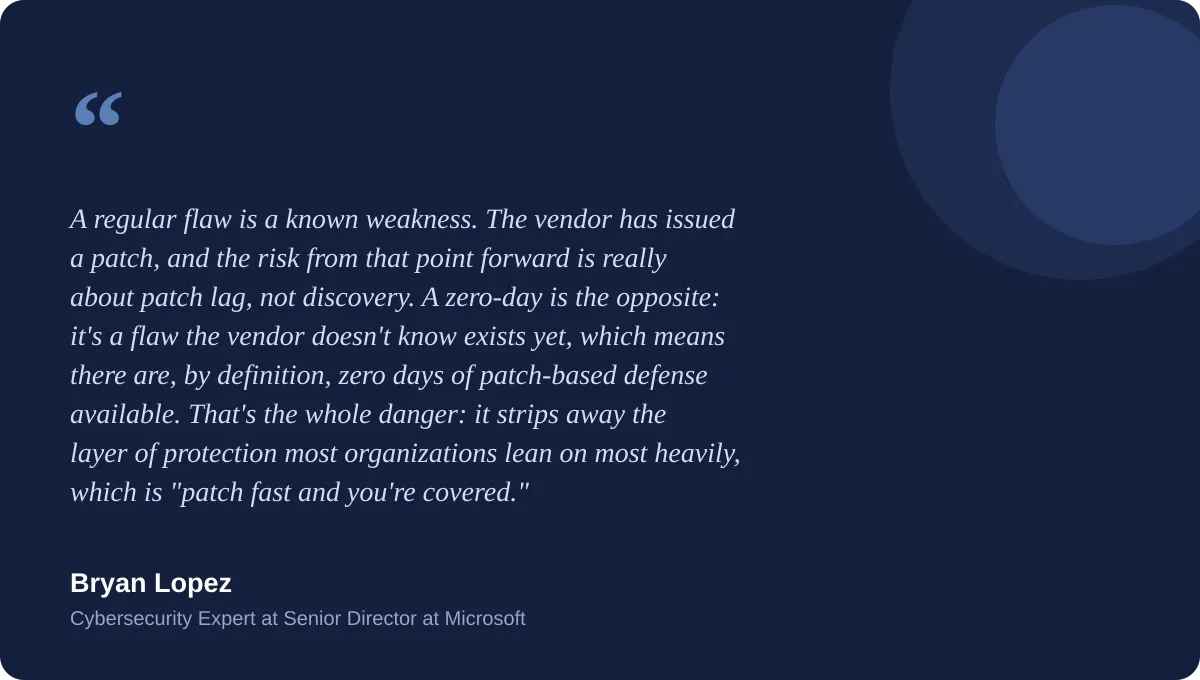
These attacks target previously unknown software vulnerabilities before they can be patched. Zero-day exploits are particularly dangerous because traditional security tools often can’t detect them, and they can affect thousands of organizations simultaneously.
Why Cyber Threats Are Growing
The scale and sophistication of cyber attacks continue to increase at an alarming rate. Understanding the key drivers behind this growth is crucial for organizations looking to protect themselves against emerging threats.
Here’s what’s driving the surge in cyber attacks:
- Professional Criminal Organizations: Cybercrime has evolved into a sophisticated industry where criminal groups operate like businesses, offering ransomware tools with customer service and money-back guarantees
- Expanded Attack Surface: Organizations’ growing reliance on cloud services, remote work, and interconnected systems creates more entry points for attackers to exploit.
- Advanced Attack Tools: AI ransomware and automated hacking tools allow criminals to launch sophisticated attacks at scale, targeting multiple organizations simultaneously
- Lower Barriers to Entry: Ransomware-as-a-Service and other criminal subscription models mean that even technically unsophisticated attackers can now deploy advanced threats
- Thriving Criminal Economy: Attackers share tools, techniques, and stolen data on the dark web, creating a profitable underground marketplace that fuels more attacks
Impact of Cyber Attacks on Organizations
When a cyber attack succeeds, the consequences can be devastating and long-lasting. The impact extends far beyond just the immediate technical disruption, affecting every aspect of an organization’s operations.
Here’s what organizations face after a cyber attack:
- Immediate Disruption: Critical systems become inaccessible, forcing operations to halt and staff to resort to manual processes
- Financial Impact: Organizations face massive costs from system recovery, legal fees, regulatory fines, and potential ransom payments, and the average cost of a data breach now exceeds $4.88 million
- Reputational Damage: Customer trust plummets when data is compromised, leading to lost business and long-term brand damage
- Regulatory Consequences: Organizations must report breaches to authorities and affected individuals, often triggering costly investigations and compliance penalties
- Long-term Recovery: Full recovery can take months as organizations rebuild systems, implement new security measures, and restore compromised data
5 Ways to Protect Your Organization Against Cyber Threats
Organizations need a comprehensive security strategy to defend against today’s sophisticated cyber threats. Here are the essential practices every organization should implement:
- Train Your Staff
It seems obvious, but the human element remains critical. Regular security training helps staff recognize phishing attempts and follow proper security protocols. Make security awareness a key part of your ransomware strategy, not just an annual checkbox exercise.
- Deploy Defense in Depth
Don’t rely on a single security solution. Layer your defenses with multiple security safeguards that include a last line of defense at the storage level. This prevents attackers from moving freely through your systems if one layer is compromised.
- Strengthen Access Controls
Implement the principle of least privilege and a zero-trust approach to security. This means staff can only access the systems and data they absolutely need, and every access request must be verified, regardless of where it comes from. Review access rights regularly and revoke them promptly when employees change roles or leave.
- Implement Advanced Threat Detection
Early threat detection is crucial for preventing damage. ProLion’s DataDefense monitors your file system in real time, detecting and blocking suspicious activity before ransomware can spread through your network.
- Don’t Rely on Backups Alone
Many organizations assume having backups means they’re safe from ransomware. However, cybercriminals now actively target backup systems, meaning you need to protect your backups from ransomware as well.
DataDefense protects your entire system including backups, and in the unlikely event an attack does get through, you can restore compromised files with just one click.
Protect Your Organization from Cyber Threats
Cyber attacks continue to grow more sophisticated and devastating each year, with criminals constantly finding new ways to bypass traditional security measures.
Organizations need proactive protection that can stop threats before they compromise critical systems and sensitive data.
Sign up for an on-demand demo to see DataDefense in action and learn how it can protect your organization from becoming the next cyber attack headline.